U.S. One-Cent Coins

(1856 - 2025)

U.S. One-Cent coinage has been a cornerstone of American commerce since the nation’s earliest years, first issued in 1793. The cent has undergone numerous design, size, and composition changes, reflecting evolving economic conditions, metal availability, and artistic trends. From early large copper cents to today’s small Lincoln cents, the one-cent piece tells a continuous story of American history, making it one of the most collected and studied denominations in U.S. numismatics.

Check out every series of U.S. One-Cent Coins below, complete with dates & mintages for each.

Flying Eagle Cent

(1856 - 1857)

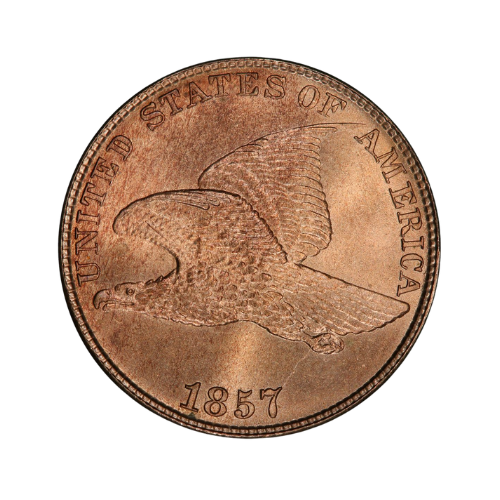
The Flying Eagle Cent was introduced in 1856 as the first small-sized cent issued by the United States Mint, replacing the long-running large cent. Designed by James B. Longacre, the obverse features a soaring eagle, while the reverse displays a simple wreath encircling the denomination. Although officially produced from 1856 through 1858, the 1856 issue was struck in limited numbers as a pattern and is considered the key rarity of the series. The short-lived type faced striking difficulties due to its copper-nickel composition, leading to its replacement by the Indian Head Cent in 1859. Despite its brief production run, the Flying Eagle Cent remains a highly popular and historically important transitional design.

1857 Flying Eagle 1C both sides of a coin showing a flying eagle and one cent within a wreath
  • Business Strikes

    1856 | 3,000

    1857 | 17,450,000

    1858 | 24,600,000

    1856 Proof | 1,500

    Proof Strikes

    1857 Proof | 100

    1858 Proof Large Letters | 100

    1858 Proof Small Letters | 200

Indian Head Cent

(1859 - 1909)

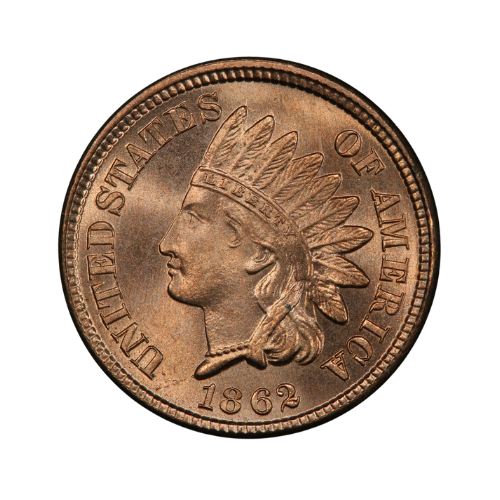
The Indian Head Cent was introduced in 1859, replacing the short-lived Flying Eagle design. Created by James B. Longacre, the obverse features Liberty wearing a Native American–style headdress, while the reverse initially displayed a simple laurel wreath. In 1860, the reverse was modified to an oak wreath with a small shield at the top, creating an early subtype within the series.

A significant composition change occurred during its run. From 1859 through 1864, Indian Head cents were struck in a copper-nickel alloy (often called “white cents”) composed of 88% copper and 12% nickel, giving them a pale appearance and making them difficult to strike fully. Beginning in mid-1864, the Mint transitioned to a bronze composition of 95% copper with 5% tin and zinc, resulting in a darker color and improved striking quality. This bronze composition continued through the end of the series in 1909.

Collectors closely follow both design and composition subtypes, particularly the scarce 1877 key date and the 1908-S and 1909-S issues from the San Francisco Mint. With its long production span and mid-series alloy change, the Indian Head Cent remains one of the most studied and collected classic U.S. coin series.

1862 Indian Cent 1C both sides of a coin showing a native Indian head dress and one cent with a shield and wreath
  • Type 1, No Shield

    1859 | 36,400,000

    Type 2, Copper-Nickel

    1860 | 20,566,000

    1861 | 10,100,000

    1862 | 28,075,000

    1863 | 49,840,000

    1864 (Copper) | 13,740,000

    Type 3, Bronze

    1864 (Bronze) | 39,233,714

    1865 | 35,429,286

    1866 | 9,826,500

    1867 | 9,821,000

    1868 | 10,266,500

    1869 | 6,420,000

    1870 | 5,275,000

    1871 | 3,929,500

    1872 | 4,042,000

    1873 | 11,676,500

    1874 | 14,187,500

    1875 | 13,528,000

    1876 | 7,944,000

    1877 | 852,500

    1878 | 5,799,850

    1879 | 16,231,200

    1880 | 38,964,955

    1881 | 39,211,575

    1882 | 38,581,100

    1883 | 45,589,109

    1884 | 23,261,742

    1885 | 11,765,384

    1886 | 17,654,290

    1887 | 45,226,483

    1888 | 37,494,414

    1889 | 48,869,361

    1890 | 57,182,854

    1891 | 47,072,350

    1892 | 37,649,832

    1893 | 46,642,195

    1894 | 16,752,132

    1895 | 38,343,636

    1896 | 39,057,293

    1897 | 50,466,330

    1898 | 49,823,079

    1899 | 53,600,031

    1900 | 66,833,794

    1901 | 79,611,143

    1902 | 87,376,722

    1903 | 85,094,493

    1904 | 61,328,015

    1905 | 80,719,163

    1906 | 96,022,255

    1907 | 108,138,618

    1908 | 32,327,987

    1908-S | 1,115,000

    1909 | 14,370,645

    1909-S | 309,000

  • Type 1, No Shield

    1859 Proof | 800

    Type 2, Copper-Nickel

    1860 Proof | 1,000

    1861 Proof | 1,000

    1862 Proof | 2,000

    1863 Proof | 1,000

    1864 Proof (Copper) | 1,000

    Type 3, Bronze

    1864 Proof No L (Bronze) | 150

    1864 Proof With L (Bronze) | 20

    1865 Proof | 1,000

    1866 Proof | 1,000

    1867 Proof | 1,000

    1868 Proof | 1,000

    1869 Proof | 1,000

    1870 Proof | 1,000

    1871 Proof | 960

    1872 Proof | 1,100

    1873 Proof Close 3 | 2,000

    1874 Proof | 1,200

    1875 Proof | 1,250

    1876 Proof | 2,000

    1877 Proof | 1,500

    1878 Proof | 2,350

    1879 Proof | 3,200

    1880 Proof | 3,955

    1881 Proof | 3,575

    1882 Proof | 3,100

    1883 Proof | 6,609

    1884 Proof | 3,942

    1885 Proof | 3,790

    1886 Proof | 4,290

    1887 Proof | 2,960

    1888 Proof | 4,582

    1889 Proof | 3,336

    1890 Proof | 2,740

    1891 Proof | 2,350

    1892 Proof | 2,745

    1893 Proof | 2,195

    1894 Proof | 2,632

    1895 Proof | 2,062

    1896 Proof | 1,862

    1897 Proof | 1,938

    1898 Proof | 1,795

    1899 Proof | 2,031

    1900 Proof | 2,262

    1901 Proof | 1,985

    1902 Proof | 2,018

    1903 Proof | 1,790

    1904 Proof | 1,817

    1905 Proof | 2,152

    1906 Proof | 1,725

    1907 Proof | 1,475

    1908 Proof | 1,620

    1909 Proof | 2,175

Lincoln Wheat Cent

(1909 - 1958)

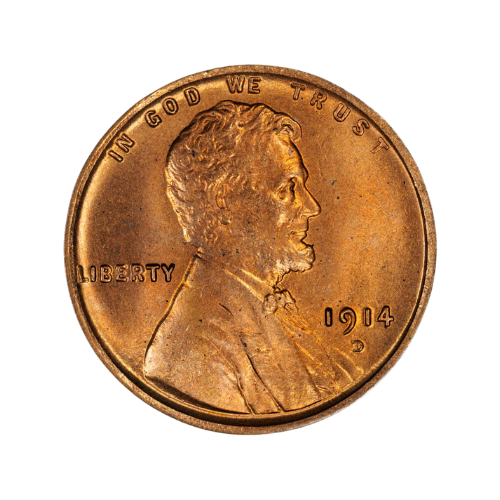
The Lincoln Wheat Cent was introduced in 1909 to commemorate the 100th anniversary of Abraham Lincoln’s birth, becoming the first U.S. circulating coin to feature a real historical figure. Designed by Victor David Brenner, the obverse displays Lincoln’s portrait, while the reverse features two wheat ears framing the denomination, giving the series its popular nickname.

The series was struck from 1909 through 1958 and saw several important composition changes. From 1909 through 1942, the cents were made primarily of 95% copper with small amounts of tin and zinc. In 1943, due to wartime copper shortages during World War II, the Mint produced cents from zinc-coated steel, creating the distinctive “steel cents.” The following year, in 1944, production returned to a copper-based alloy—largely sourced from recycled shell casings—and from 1944 through 1958 the composition remained 95% copper with 5% zinc (tin was removed from the alloy).

Collectors pay close attention to key dates and transitional errors, including the 1909-S VDB, 1914-D, 1922 “No D,” and the famous 1943 bronze and 1944 steel off-metal strikes. With its historic debut, wartime steel composition, and numerous collectible varieties, the Lincoln Wheat Cent remains one of the most widely collected coin series in American numismatics.

1914-D Lincoln Wheat 1C a key date low mintage wheat cent showing Lincoln and one cent with wheat stalks
  • 1909 | 72,702,618

    1909 VDB | 27,995,000

    1909-S | 1,825,000

    1909-S VDB | 484,000

    1910 | 146,801,218

    1910-S | 6,045,000

    1911 | 101,177,787

    1911-D | 12,672,000

    1911-S | 4,026,000

    1912 | 68,153,060

    1912-D | 10,411,000

    1912-S | 4,431,000

    1913 | 76,532,352

    1913-D | 15,804,000

    1913-S | 6,101,000

    1914 | 75,238,432

    1914-D | 1,193,000

    1914-S | 4,137,000

    1915 | 29,092,120

    1915-D | 22,050,000

    1915-S | 4,833,000

    1916 | 131,833,677

    1916-D | 35,956,000

    1916-S | 22,510,000

    1917 | 196,429,785

    1917-D | 55,120,000

    1917-S | 32,620,000

    1918-D | 47,830,000

    1918-S | 34,680,000

    1919 | 392,021,000

    1919-D | 57,154,000

    1919-S | 139,760,000

    1920 | 310,165,000

    1920-D | 49,280,000

    1920-S | 46,220,000

    1921 | 39,157,000

    1921-S | 15,274,000

    1922-D | 7,160,000

    1923 | 74,723,000

    1923-S | 8,700,000

    1924 | 75,178,000

    1924-D | 2,520,000

    1924-S | 11,696,000

    1925 | 139,949,000

    1925-D | 22,580,000

    1925-S | 26,380,000

    1926 | 157,088,000

    1926-D | 28,020,000

    1926-S | 4,550,000

    1927 | 144,440,000

    1927-D | 27,170,000

    1927-S | 14,276,000

    1928 | 134,116,000

    1928-D | 31,170,000

    1928-S | 17,266,000

    1929 | 185,262,000

    1929-D | 41,730,000

    1929-S | 50,148,000

    1930 | 157,415,000

    1930-D | 40,100,000

    1930-S | 24,286,000

    1931 | 19,396,000

    1931-D | 4,480,000

    1931-S | 866,000

    1932 | 9,062,000

    1932-D | 10,500,000

    1933 | 14,360,000

    1933-D | 6,200,000

    1934 | 219,080,000

    1934-D | 28,446,000

    1935 | 245,388,000

    1935-D | 47,000,000

    1935-S | 38,702,000

    1936 | 309,632,000

    1936-D | 40,620,000

    1936-S | 29,130,000

    1937 | 309,170,000

    1937-D | 50,430,000

    1937-S | 34,500,000

    1938 | 156,682,000

    1938-D | 20,010,000

    1938-S | 15,180,000

    1939 | 316,466,000

    1939-D | 15,160,000

    1939-S | 52,070,000

    1940 | 586,810,000

    1940-D | 81,390,000

    1940-S | 112,940,000

    1941 | 887,018,000

    1941-D | 128,700,000

    1941-S | 92,360,000

    1942 | 657,796,000

    1942-D | 206,698,000

    1942-S | 85,590,000

    1943 (Steel) | 684,628,670

    1943-D (Steel) | 217,660,000

    1943-S (Steel) | 191,550,000

    1944 | 1,435,400,000

    1944-D | 430,578,000

    1944-S | 282,760,000

    1945 | 1,040,515,000

    1945-D | 266,268,000

    1945-S | 181,770,000

    1946 | 991,655,000

    1946-D | 315,690,000

    1946-S | 198,100,000

    1947 | 190,555,000

    1947-D | 194,750,000

    1947-S | 99,000,000

    1948 | 317,570,000

    1948-D | 172,637,500

    1948-S | 81,735,000

    1949 | 217,775,000

    1949-D | 153,132,500

    1949-S | 64,290,000

    1950 | 272,635,000

    1950-D | 334,950,000

    1950-S | 118,505,000

    1951 | 284,576,000

    1951-D | 625,355,000

    1951-S | 136,010,000

    1952 | 186,775,000

    1952-D | 746,130,000

    1952-S | 137,800,004

    1953 | 256,755,000

    1953-D | 700,515,000

    1953-S | 181,835,000

    1954 | 71,640,050

    1954-D | 251,552,500

    1954-S | 96,190,000

    1955 | 330,958,200

    1955-D | 563,257,500

    1955-S | 44,610,000

    1956 | 420,745,000

    1956-D | 1,098,201,100

    1957 | 282,540,000

    1957-D | 1,051,342,000

    1958 | 252,525,000

    1958-D | 800,953,300

  • 1909 Proof | 2,618

    1909-S Proof VDB | 1,194

    1910 Proof | 4,083

    1911 Proof | 1,725

    1912 Proof | 2,172

    1913 Proof | 2,983

    1914 Proof | 1,365

    1915 Proof | 1,150

    1916 Proof | 1,050

    1936 Proof | 5,569

    1937 Proof | 9,320

    1938 Proof | 14,734

    1939 Proof | 13,520

    1940 Proof | 15,872

    1941 Proof | 21,100

    1942 Proof | 32,600

    1950 Proof | 51,386

    1951 Proof | 57,500

    1952 Proof | 81,980

    1953 Proof | 128,800

    1954 Proof | 233,300

    1955 Proof | 378,200

    1956 Proof | 669,384

    1957 Proof | 1,247,952

    1958 Proof | 875,652

Lincoln Memorial Cent

(1959 - 2008)

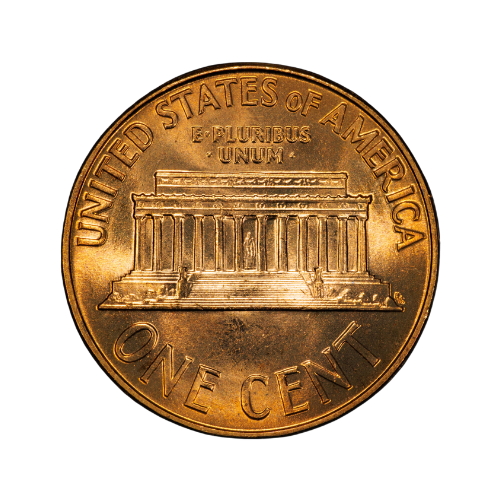
The Lincoln Memorial Cent was introduced in 1959 to mark the 150th anniversary of Abraham Lincoln’s birth, replacing the Wheat reverse with a depiction of the Lincoln Memorial in Washington, D.C. Designed by Frank Gasparro, the new reverse notably included a small image of the Lincoln statue within the Memorial — making it the first U.S. circulating coin to feature the same individual on both sides.

The series was struck from 1959 through 2008 and experienced a significant composition change. From 1959 through 1982, cents were produced in the traditional bronze alloy of 95% copper with 5% tin and zinc (tin was later removed, leaving copper and zinc). In mid-1982, rising copper prices led the Mint to transition to a copper-plated zinc composition consisting of 97.5% zinc with a thin outer layer of copper (2.5%). Because both compositions were produced in 1982, that year includes multiple collectible varieties based on metal type and date size.

While generally considered a modern series, Lincoln Memorial cents include notable varieties such as the 1969-S Doubled Die Obverse, 1972 Doubled Die Obverse, 1983 Doubled Die Reverse, and 1992 Close AM. The long production span, alloy transition, and wide availability make this series an accessible yet surprisingly complex area for collectors.

1969-S Lincoln 1C Memorial Cent both sides of a coin showing Lincoln's portrait and the Lincoln Memorial
  • Type 1, Copper

    1959 | 609,715,000

    1959-D | 1,279,760,000

    1960 | 586,405,000

    1960-D | 1,580,884,000

    1961 | 753,345,000

    1961-D | 1,753,266,700

    1962 | 606,045,000

    1962-D | 1,793,148,140

    1963 | 754,110,000

    1963-D | 1,774,020,400

    1964 | 2,648,575,000

    1964-D | 3,799,071,500

    1965 | 1,497,224,900

    1966 | 2,188,147,783

    1967 | 3,048,667,100

    1968 | 1,707,880,970

    1968-D | 2,886,269,600

    1968-S | 258,270,001

    1969 | 1,136,910,000

    1969-D | 4,002,832,200

    1969-S | 547,309,631

    1970 | 1,898,315,000

    1970-D | 2,891,438,900

    1970-S | 693,192,814

    1971 | 1,919,490,000

    1971-D | 2,911,045,600

    1971-S | 525,133,459

    1972 | 2,933,255,000

    1972-D | 2,665,071,400

    1972-S | 376,939,108

    1973 | 3,728,245,000

    1973-D | 3,549,576,588

    1973-S | 317,177,295

    1974 | 4,232,140,523

    1974-D | 4,235,098,000

    1974-S | 409,426,660

    1975 | 5,451,476,142

    1975-D | 4,505,275,300

    1976 | 4,674,292,426

    1976-D | 4,221,592,455

    1977 | 4,469,930,000

    1977-D | 4,194,062,300

    1978 | 5,558,605,000

    1978-D | 4,280,233,400

    1979 | 6,018,515,000

    1979-D | 4,139,357,254

    1980 | 7,414,705,000

    1980-D | 5,140,098,660

    1981 | 7,491,750,000

    1981-D | 5,373,235,677

    1982 | 10,712,525,000

    1982-D | 6,012,979,368

    1982 Small Date | 10,712,525,000

    Type 2, Zinc

    1982 Large Date | 4,063,083

    1982 Small Date | 10,712,525,000

    1982-D Large Date | 6,012,979,368

    1982-D Small Date | 6,012,979,368

    1983 | 7,752,355,000

    1983-D | 6,467,199,428

    1984 | 8,151,079,000

    1984-D | 5,569,238,906

    1985 | 5,648,489,887

    1985-D | 5,287,399,926

    1986 | 4,491,395,493

    1986-D | 4,442,866,698

    1987 | 4,682,466,931

    1987-D | 4,879,389,514

    1988 | 6,092,810,000

    1988-D | 5,253,740,443

    1989 | 7,261,535,000

    1989-D | 5,345,467,111

    1990 | 6,851,765,000

    1990-D | 4,922,894,533

    1991 | 5,165,940,000

    1991-D | 4,158,442,076

    1992 | 4,648,905,000

    1992-D | 4,448,673,300

    1993 | 5,684,705,000

    1993-D | 6,426,650,571

    1994 | 6,500,850,000

    1994-D | 7,131,765,000

    1995 | 6,411,400,000

    1995-D | 7,128,560,000

    1996 | 6,612,465,000

    1996-D | 6,510,795,000

    1997 | 4,622,800,000

    1997-D | 4,576,555,000

    1998 | 5,032,155,000

    1998-D | 5,225,353,500

    1999 | 5,237,600,000

    1999-D | 6,360,065,000

    2000 | 5,503,200,000

    2000-D | 8,774,220,000

    2001 | 4,959,600,000

    2001-D | 5,374,990,000

    2002 | 3,260,800,000

    2002-D | 4,028,055,000

    2003 | 3,300,000,000

    2003-D | 3,548,000,000

    2004 | 3,379,600,000

    2004-D | 3,456,400,000

    2005 | 3,935,600,000

    2005-D | 3,764,450,000

    2006 | 4,290,000,000

    2006-D | 3,944,000,000

    2007 | 3,763,400,000

    2007-D | 3,638,800,000

    2008 | 2,596,000,000

    2008-D | 2,849,600,000

  • Type 1, Copper

    1959 Proof | 1,149,291

    1960 Proof | 1,691,602

    1961 Proof | 3,028,244

    1962 Proof | 3,218,019

    1963 Proof | 3,075,645

    1964 Proof | 3,950,762

    1968-S Proof | 3,041,506

    1969-S Proof | 2,934,631

    1970-S Proof | 2,632,810

    1971-S Proof | 3,220,733

    1972-S Proof | 3,260,996

    1973-S Proof | 2,760,339

    1974-S Proof | 2,612,568

    1975-S Proof | 2,845,450

    1976-S Proof | 4,149,730

    1977-S Proof | 3,251,152

    1978-S Proof | 3,127,781

    1979-S Proof | 3,677,175

    1980-S Proof | 3,554,806

    1981-S Proof | 4,063,083

    1982-S Proof | 3,857,479

    Type 2, Zinc

    1983-S Proof | 3,279,126

    1984-S Proof | 3,065,110

    1985-S Proof | 3,362,821

    1986-S Proof | 3,010,497

    1987-S Proof | 4,227,728

    1988-S Proof | 3,262,948

    1989-S Proof | 3,220,194

    1990-S Proof | 3,299,559

    1991-S Proof | 2,867,787

    1992-S Proof | 4,176,560

    1993-S Proof | 3,394,792

    1994-S Proof | 3,269,923

    1995-S Proof | 2,797,481

    1996-S Proof | 2,525,265

    1997-S Proof | 2,796,678

    1998-S Proof | 2,085,507

    1999-S Proof | 3,347,966

    2000-S Proof | 4,047,993

    2002-S Proof | 3,211,995

    2003-S Proof | 3,298,439

    2004-S Proof | 2,965,422

    2005-S Proof | 3,344,679

    2006-S Proof | 3,054,436

    2007-S Proof | 2,577,166

    2008-S Proof | 2,169,561

Lincoln Bicentennial Cent

(2009)

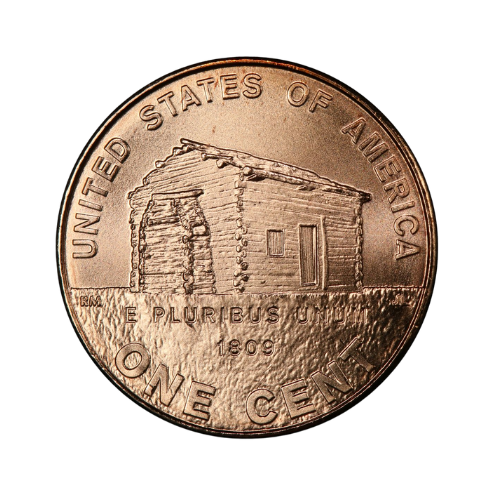
In 2009, the United States Mint issued four special reverse designs to commemorate the 200th anniversary of Abraham Lincoln’s birth. These Bicentennial cents retained Victor David Brenner’s original obverse portrait while introducing four rotating reverse designs representing different stages of Lincoln’s life: his Kentucky birthplace, formative years in Indiana, professional life in Illinois, and presidency in Washington, D.C.

All 2009 cents struck for circulation were produced in the modern copper-plated zinc composition (97.5% zinc with 2.5% copper plating). However, special collector versions were also issued in a 95% copper alloy, matching the original 1909 composition, and were sold in Mint sets. This return to a high-copper composition made the collector strikes especially appealing to enthusiasts.

Because of the four unique reverse designs and dual compositions, the 2009 issues created a short but highly collectible transitional year within the Lincoln cent series.

2009 Lincoln Bicentennial Cent obverse
Obverse
Lincoln Bicentennial Cent Reverse Early Childhood
Early Childhood
Lincoln Bicentennial Cent Reverse Formative Years
Formative Years
Lincoln Bicentennial Cent Reverse Professional
Professional Life
Lincoln Bicentennial Cent Reverse Presidency
Presidency
  • 2009 Birth and Early Childhood | 284,400,000

    2009-D Birth and Early Childhood | 350,400,000

    2009 Formative Years | 376,000,000

    2009-D Formative Years | 363,600,000

    2009 Professional Life | 316,000,000

    2009-D Professional Life | 336,000,000

    2009 Presidency | 129,600,000

    2009-D Presidency | 198,000,000

  • Proof Finish

    2009-S Proof Birth and Early Childhood | 2,995,615

    2009-S Proof Formative Years | 2,995,615

    2009-S Proof Professional Life | 2,995,615

    2009-S Proof Presidency | 2,995,615

    Satin Finish

    2009 Birth and Early Childhood Satin Finish | 784,614

    2009-D Birth and Early Childhood Satin Finish | 784,614

    2009 Formative Years Satin Finish | 784,614

    2009-D Formative Years Satin Finish | 784,614

    2009 Professional Life Satin Finish | 784,614

    2009-D Professional Life Satin Finish | 784,614

    2009 Presidency Satin Finish | 784,614

    2009-D Presidency Satin Finish | 784,614

Lincoln Shield Cent

(2010 - 2025)

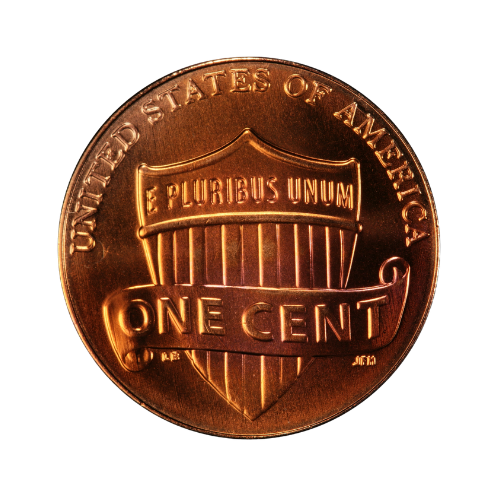
Beginning in 2010, the Lincoln Shield Cent became the permanent reverse design following the Bicentennial year. The reverse, designed by Lyndall Bass and sculpted by Joseph Menna, features a Union shield with a banner bearing the denomination, symbolizing Lincoln’s preservation of the United States during the Civil War.

Since its introduction, the series has been struck in the modern copper-plated zinc composition (97.5% zinc core with 2.5% copper plating). While no major composition changes have occurred during this period, collectors often seek out doubled dies, die chips, and other modern varieties.

As the current circulating cent design, the Lincoln Shield series represents the continuation of the longest-running coin portrait in U.S. history, maintaining Lincoln’s presence on the one-cent piece since 1909.

2012-D Lincoln Shield 1C both sides of a coin showing Lincoln's portrait and a union shield with one cent on the reverse
  • 2010-P | 1,963,630,000

    2010-D | 2,407,200,000

    2011-P | 2,402,400,000

    2011-D | 2,536,140,000

    2012-P | 3,132,000,000

    2012-D | 2,883,200,000

    2013-P | 3,750,400,000

    2013-D | 3,319,600,000

    2014-P | 3,990,800,000

    2014-D | 4,155,600,000

    2015-P | 4,464,100,000

    2015-D | 4,424,800,000

    2016-P | 4,698,400,000

    2016-D | 4,420,400,000

    2017-P | 4,361,220,000

    2017-D | 4,272,800,000

    2018-P | 4,066,800,000

    2018-D | 3,738,400,000

    2019-P | 3,542,800,000

    2019-D | 3,497,600,000

    2020-P | 3,560,800,000

    2020-D | 4,035,600,000

    2021-P | 3,925,820,000

    2021-D | 3,982,800,000

    2022-P | 3,129,200,000

    2022-D | 3,230,400,000

    2023 | TBD

    2023-D | TBD

    2024 | TBD

    2024-D | TBD

    2025 | TBD

    2025-D | TBD

  • 2010-S Proof | 1,741,000

    2011-S Proof | 1,419,000

    2012-S Proof | 1,334,000

    2013-S Proof | 1,117,000

    2014-S Proof | 1,094,000

    2015-S Proof | 1,052,000

    2016-S Proof | 1,002,000

    2017-S Proof | 916,000

    2018-S Proof | 868,000

    2019-S Proof | 605,000

    2020-S Proof | 470,000

    2021-S Proof | 511,000

    2022-S Proof | 534,000

    2023-S Proof | 452,000

    2024-S Proof | 465,000

    2025-S Proof | TBD

If You Collect One-Cent Coins, Check Out The ‘Pre '99 Major Circulation Designs’ Type Set!

a coin collection checklist with examples from major designs before 1999

‘Coin Collecting Tools’ is Going Mobile

StackHub App Monthly Membership StackHub App Monthly Membership
Quick View
StackHub App Monthly Membership
$4.99 every month

StackHub is an excellent tool for coin collectors & precious metals enthusiasts of all levels. Your app subscription will come complete with:

  • 100+ prebuilt collection checklists to choose from

  • Collect graded or ungraded coins, your choice

  • Upload images of your own set to take on the go

  • Precious Metals stack tracking

  • Every coin collecting guide at your fingertips

  • Compatible with mobile & desktop

Click HERE to learn more

*During checkout, please use the email address that you’d like associated with your StackHub account. You will receive an invitation to that email address directly from the platform when your account is ready. Account creation may take up to 12 hours from the time of checkout*

multiple stacks of banded $100 one hundred dollar bills from the bank

How to Find Valuable Banknotes - A Beginner’s Guide to Bank-Strap Hunting

Click here for the full guide
a coin roll from the bank with ten cent dimes, the face of a Roosevelt dime on the end

Coin Roll Hunting: What It Is and How to Start

Coin roll hunting is the modern-day treasure hunt for collectors. Learn what it is, how to start, and the best tips for finding silver and rare coins in rolls.

Read More

This site and all of its content was built by collectors for collectors. Join thousands who already trust CoinCollectingTools.com for reliable & accurate information, expert tips, and a connected community on social media. Follow us on YouTube & TikTok @CentsMakeDollars to make sure you never miss a new online resource designed to sharpen your knowledge and collecting strategies.