U.S. Half-Dollar Coins, Continued
Barber Half-Dollar
(1892 - 1915)
The Barber Half Dollar was introduced in 1892 as part of a redesign that also included the dime and quarter. The series was designed by U.S. Mint Chief Engraver Charles E. Barber. The obverse features Liberty wearing a Phrygian cap and laurel wreath, while the reverse displays a heraldic eagle with shield, olive branch, and arrows.
Barber halves were struck in 90% silver and 10% copper, with a standard weight of 12.50 grams. Produced at Philadelphia, New Orleans, San Francisco, and Denver, the series includes several better dates and low-mintage issues, particularly from the New Orleans and San Francisco mints. The 1892–S and 1897–O are among the more recognized scarcer dates in circulated grades.
Most Barber half dollars entered heavy circulation, making well-preserved examples increasingly difficult to locate today. Their combination of silver content, historic turn-of-the-century appeal, and collectible key dates keeps the series popular among both type collectors and date-and-mintmark specialists.

-
1892 | 934,000
1892-O | 390,000
1892-S | 1,029,028
1893 | 1,826,000
1893-O | 1,389,000
1893-S | 740,000
1894 | 1,148,000
1894-O | 2,138,000
1894-S | 4,048,960
1895 | 1,834,338
1895-O | 1,766,000
1895-S | 1,108,086
1896 | 950,000
1896-O | 924,000
1896-S | 1,140,948
1897 | 2,480,000
1897-O | 632,000
1897-S | 933,900
1898 | 2,956,000
1898-O | 874,000
1898-S | 2,358,550
1899 | 5,538,000
1899-O | 1,724,000
1899-S | 1,686,411
1900 | 4,762,000
1900-O | 2,744,000
1900-S | 2,560,322
1901 | 4,268,000
1901-O | 1,124,000
1901-S | 847,044
1902 | 4,922,000
1902-O | 2,526,000
1902-S | 1,460,670
1903 | 2,278,000
1903-O | 2,100,000
1903-S | 1,920,772
1904 | 2,992,000
1904-O | 1,117,600
1904-S | 553,038
1905 | 662,000
1905-O | 505,000
1905-S | 2,494,000
1906 | 2,638,000
1906-D | 4,028,000
1906-O | 2,446,000
1906-S | 1,740,154
1907 | 2,598,000
1907-D | 3,856,000
1907-O | 3,946,000
1907-S | 1,250,000
1908 | 1,354,000
1908-D | 3,280,000
1908-O | 5,360,000
1908-S | 1,644,828
1909 | 2,368,000
1909-O | 925,400
1909-S | 1,764,000
1910 | 418,000
1910-S | 1,948,000
1911 | 1,406,000
1911-D | 695,080
1911-S | 1,272,000
1912 | 1,550,000
1912-D | 2,300,800
1912-S | 1,370,000
1913 | 188,000
1913-D | 534,000
1913-S | 604,000
1914 | 124,230
1914-S | 992,000
1915 | 138,000
1915-D | 1,170,400
1915-S | 1,604,000
-
1892 Proof | 1,245
1893 Proof | 792
1894 Proof | 972
1895 Proof | 880
1896 Proof | 762
1897 Proof | 731
1898 Proof | 735
1899 Proof | 846
1900 Proof | 912
1901 Proof | 813
1902 Proof | 777
1903 Proof | 755
1904 Proof | 670
1905 Proof | 727
1906 Proof | 675
1907 Proof | 575
1908 Proof | 545
1909 Proof | 650
1910 Proof | 551
1911 Proof | 543
1912 Proof | 700
1913 Proof | 627
1914 Proof | 380
1915 Proof | 450
Walking Liberty Half-Dollar
(1916 - 1947)
The Walking Liberty Half Dollar was introduced in 1916 and is widely considered one of the most beautiful coins in U.S. history. The design was created by sculptor Adolph A. Weinman. The obverse features Liberty striding toward the rising sun, draped in the American flag, while the reverse depicts a powerful perched eagle.
These half dollars were struck in 90% silver and 10% copper, with a standard weight of 12.50 grams. Minted in Philadelphia, Denver, and San Francisco, the series includes several key and semi-key dates, notably the 1916–S, 1919–D, 1921, and 1921–D. Many pieces saw extensive circulation, and fully detailed examples—especially with strong strikes on Liberty’s hand and head—are sought after.
The design remains so iconic that it was revived for the modern American Silver Eagle beginning in 1986, further cementing the Walking Liberty Half Dollar’s lasting legacy among collectors and bullion investors alike.

-
1916 | 608,000
1916-D | 1,014,400
1916-S | 508,000
1917 | 12,292,000
1917-D Obv Mint Mark | 765,400
1917-D Rev Mint Mark | 1,940,000
1917-S Obv Mint Mark | 952,000
1917-S Rev Mint Mark | 5,554,000
1918 | 6,634,000
1918-D | 3,853,040
1918-S | 10,282,000
1919 | 962,000
1919-D | 1,165,000
1919-S | 1,552,000
1920 | 6,372,000
1920-D | 1,551,000
1920-S | 4,624,000
1921 | 246,000
1921-D | 208,000
1921-S | 548,000
1923-S | 2,178,000
1927-S | 2,392,000
1928-S | 1,940,000
1929-D | 1,001,200
1929-S | 1,902,000
1933-S | 1,786,000
1934 | 6,964,000
1934-D | 2,361,400
1934-S | 3,652,000
1935 | 9,162,000
1935-D | 3,003,800
1935-S | 3,854,000
1936 | 12,614,000
1936-D | 4,252,400
1936-S | 3,884,000
1937 | 9,522,000
1937-D | 1,676,000
1937-S | 2,090,000
1938 | 4,110,000
1938-D | 491,600
1939 | 6,812,000
1939-D | 4,267,800
1939-S | 2,552,000
1940 | 9,156,000
1940-S | 4,550,000
1941 | 24,192,000
1941-D | 11,248,400
1941-S | 8,098,000
1942 | 47,818,000
1942-D | 10,973,800
1942-S | 12,708,000
1943 | 53,190,000
1943-D | 11,346,000
1943-S | 13,450,000
1944 | 28,206,000
1944-D | 9,769,000
1944-S | 8,904,000
1945 | 31,502,000
1945-D | 9,966,800
1945-S | 10,156,000
1946 | 12,118,000
1946-D | 2,151,000
1946-S | 3,724,000
1947 | 4,094,000
1947-D | 3,900,600
-
1936 Proof | 3,901
1937 Proof | 5,728
1938 Proof | 8,152
1939 Proof | 8,808
1940 Proof | 11,279
1941 Proof | 15,412
1942 Proof | 21,120
Franklin Half-Dollar
(1948 - 1963)
The Franklin Half Dollar was introduced in 1948, replacing the Walking Liberty design. The obverse features founding father Benjamin Franklin, while the reverse depicts the Liberty Bell with a small eagle added to comply with the legal requirement that half dollars include an eagle.
The design was created by U.S. Mint Chief Engraver John R. Sinnock. These coins were struck in 90% silver and 10% copper, weighing 12.50 grams—the same silver standard used for half dollars since 1837.
Minted in Philadelphia and Denver, the series does not contain major rarity dates, but certain issues are highly sought after in high grade, particularly examples with “Full Bell Lines” (FBL) showing complete horizontal lines on the Liberty Bell. The Franklin Half Dollar represents the final regular-issue 90% silver half dollar series before the transition to the Kennedy design in 1964.

-
1892 | 934,000
1892-O | 390,000
1892-S | 1,029,028
1893 | 1,826,000
1893-O | 1,389,000
1893-S | 740,000
1894 | 1,148,000
1894-O | 2,138,000
1894-S | 4,048,960
1895 | 1,834,338
1895-O | 1,766,000
1895-S | 1,108,086
1896 | 950,000
1896-O | 924,000
1896-S | 1,140,948
1897 | 2,480,000
1897-O | 632,000
1897-S | 933,900
1898 | 2,956,000
1898-O | 874,000
1898-S | 2,358,550
1899 | 5,538,000
1899-O | 1,724,000
1899-S | 1,686,411
1900 | 4,762,000
1900-O | 2,744,000
1900-S | 2,560,322
1901 | 4,268,000
1901-O | 1,124,000
1901-S | 847,044
1902 | 4,922,000
1902-O | 2,526,000
1902-S | 1,460,670
1903 | 2,278,000
1903-O | 2,100,000
1903-S | 1,920,772
1904 | 2,992,000
1904-O | 1,117,600
1904-S | 553,038
1905 | 662,000
1905-O | 505,000
1905-S | 2,494,000
1906 | 2,638,000
1906-D | 4,028,000
1906-O | 2,446,000
1906-S | 1,740,154
1907 | 2,598,000
1907-D | 3,856,000
1907-O | 3,946,000
1907-S | 1,250,000
1908 | 1,354,000
1908-D | 3,280,000
1908-O | 5,360,000
1908-S | 1,644,828
1909 | 2,368,000
1909-O | 925,400
1909-S | 1,764,000
1910 | 418,000
1910-S | 1,948,000
1911 | 1,406,000
1911-D | 695,080
1911-S | 1,272,000
1912 | 1,550,000
1912-D | 2,300,800
1912-S | 1,370,000
1913 | 188,000
1913-D | 534,000
1913-S | 604,000
1914 | 124,230
1914-S | 992,000
1915 | 138,000
1915-D | 1,170,400
1915-S | 1,604,000
-
1892 Proof | 1,245
1893 Proof | 792
1894 Proof | 972
1895 Proof | 880
1896 Proof | 762
1897 Proof | 731
1898 Proof | 735
1899 Proof | 846
1900 Proof | 912
1901 Proof | 813
1902 Proof | 777
1903 Proof | 755
1904 Proof | 670
1905 Proof | 727
1906 Proof | 675
1907 Proof | 575
1908 Proof | 545
1909 Proof | 650
1910 Proof | 551
1911 Proof | 543
1912 Proof | 700
1913 Proof | 627
1914 Proof | 380
1915 Proof | 450
Kennedy Half-Dollar
(1964 - Current)
The Kennedy Half Dollar was introduced in 1964 to honor John F. Kennedy following his assassination in 1963. Designed by Gilroy Roberts (obverse) and Frank Gasparro (reverse), the obverse features a portrait of Kennedy, while the reverse displays a heraldic eagle adapted from the Presidential Seal.
90% Silver (1964):
The first year of issue was struck in 90% silver and 10% copper, weighing 12.50 grams. These coins were heavily saved by the public.
40% Silver Clad (1965–1970):
Beginning in 1965, rising silver prices led to a reduction in silver content. Half dollars were produced in a 40% silver clad composition, consisting of outer layers of 80% silver and 20% copper bonded to a 21% silver core. Production of 40% silver business strikes ended in 1970.
Copper-Nickel Clad (1971–Present):
Starting in 1971, the series transitioned to a standard copper-nickel clad composition (75% copper, 25% nickel bonded to a pure copper core), which continues today. While circulation use declined over time, the Mint has continued producing Kennedy halves for collectors.
Special subtypes include the 1976 Bicentennial reverse (dated 1776–1976) and various silver proof issues struck in later years. As a long-running modern series with multiple compositions, the Kennedy Half Dollar remains both a collectible and bullion-related denomination within U.S. coinage.

-
1964 (90% Silver) | 273,304,004
1964-D (90% Silver) | 156,205,446
1965 (40% Silver) | 65,879,366
1966 (40% Silver) | 108,984,932
1967 (40% Silver) | 295,046,978
1968-D (40% Silver) | 246,951,930
1969-D (40% Silver) | 129,881,800
1970-D (40% Silver) | 2,150,000
1971 | 155,164,000
1971-D | 302,097,424
1972 | 153,180,000
1972-D | 141,890,000
1973 | 64,964,000
1973-D | 83,171,400
1974 | 201,596,000
1974-D | 79,066,300
1976 Bicentennial | 234,308,000
1976-D Bicentennial | 287,565,248
1976-S (40% Silver) Bicentennial | 11,000,000
1977 | 43,598,000
1977-D | 31,449,106
1978 | 14,350,000
1978-D | 13,765,799
1979 | 68,312,000
1979-D | 15,815,422
1980-P | 44,134,000
1980-D | 33,456,449
1981-P | 29,544,000
1981-D | 27,839,533
1982-P | 10,819,000
1982-D | 13,140,102
1983-P | 34,139,000
1983-D | 32,472,244
1984-P | 26,029,000
1984-D | 26,262,158
1985-P | 18,706,962
1985-D | 19,814,034
1986-P | 13,107,633
1986-D | 15,336,145
1987-P | 2,890,758
1987-D | 2,890,758
1988-P | 13,626,000
1988-D | 12,000,096
1989-P | 24,542,000
1989-D | 23,000,216
1990-P | 22,278,000
1990-D | 20,096,242
1991-P | 14,874,000
1991-D | 15,054,678
1992-P | 17,628,000
1992-D | 17,000,106
1993-P | 15,510,000
1993-D | 15,000,006
1994-P | 23,718,000
1994-D | 23,828,110
1995-P | 26,496,000
1995-D | 26,288,000
1996-P | 24,442,000
1996-D | 24,744,000
1997-P | 20,882,000
1997-D | 19,876,000
1998-P | 15,646,000
1998-D | 15,064,000
1999-P | 8,900,000
1999-D | 10,682,000
2000-P | 22,600,000
2000-D | 19,466,000
2001-P | 21,200,000
2001-D | 19,504,000
2002-P | 3,100,000
2002-D | 2,500,000
2003-P | 2,500,000
2003-D | 2,500,000
2004-P | 2,900,000
2004-D | 2,900,000
2005-P | 3,800,000
2005-D | 3,500,000
2006-P | 2,400,000
2006-D | 2,000,000
2007-P | 2,400,000
2007-D | 2,400,000
2008-P | 1,700,000
2008-D | 1,700,000
2009-P | 1,900,000
2009-D | 1,900,000
2010-P | 1,800,000
2010-D | 1,700,000
2011-P | 1,750,000
2011-D | 1,700,000
2012-P | 1,800,000
2012-D | 1,700,000
2013-P | 5,000,000
2013-D | 4,600,000
2014-P | 2,500,000
2014-D | 2,100,000
2015-P | 2,300,000
2015-D | 2,300,000
2016-P | 2,100,000
2016-D | 2,100,000
2017-P | 1,800,000
2017-D | 2,900,000
2018-P | 4,800,000
2018-D | 6,100,000
2019-P | 1,700,000
2019-D | 1,700,000
2020-P | 5,400,000
2020-D | 7,700,000
2021-P | 2,300,000
2021-D | 3,400,000
2022-P | 4,900,000
2022-D | 4,800,000
2023-P | 30,200,000
2023-D | 27,800,000
2024-P | TBD
2024-D | TBD
2025-P | TBD
2025-D | TBD
-
1964 Proof | 3,950,762
1965 SMS | 2,360,000
1966 SMS | 2,261,583
1967 SMS | 1,863,344
1968-S Proof | 3,041,506
1969-S Proof | 2,934,631
1970-S Proof | 2,632,810
1976-S Proof Silver Clad Bicentennial | 4,000,000
1992-S Silver Proof | 1,317,579
1993-S Silver Proof | 761,353
1994-S Silver Proof | 785,329
1995-S Silver Proof | 679,985
1996-S Silver Proof | 775,021
1997-S Silver Proof | 741,678
1998-S Silver Proof | 878,792
1999-S Silver Proof | 804,565
2000-S Silver Proof | 965,421
2001-S Silver Proof | 889,697
2002-S Silver Proof | 892,229
2003-S Silver Proof | 1,125,755
2004-S Silver Proof | 1,175,934
2005-S Silver Proof | 1,069,679
2006-S Silver Proof | 1,054,008
2007-S Silver Proof | 875,050
2008-S Silver Proof | 763,887
2009-S Silver Proof | 697,365
2010-S Silver Proof | 585,401
2011-S Silver Proof | 574,175
2012-S Silver Proof | 445,612
2013-S Silver Proof | 467,691
2014-S Silver Proof | 219,173
2015-S Silver Proof | 387,310
2016-S Silver Proof | 406,330
2017-S Silver Proof | 406,986
2018-S Silver Proof | 381,748
2019-S Silver Proof | 460,925
2020-S Silver Proof | 363,179
2021-S Silver Proof | 319,317
2022-S Silver Proof | 296,425
2023-S Silver Proof | 207,025
2024-S Silver Proof | TBD
2025-S Silver Proof | TBD
-
1971-S Proof | 3,220,733
1972-S Proof | 3,260,996
1973-S Proof | 2,760,339
1974-S Proof | 2,612,568
1976-S Proof Bicentennial | 7,059,099
1977-S Proof | 3,251,152
1978-S Proof | 3,127,781
1979-S Proof | 3,677,175
1980-S Proof | 3,554,806
1981-S Proof | 4,063,083
1982-S Proof | 3,857,479
1983-S Proof | 3,279,126
1984-S Proof | 3,065,110
1985-S Proof | 3,362,821
1986-S Proof | 3,010,497
1987-S Proof | 4,227,728
1988-S Proof | 3,262,948
1989-S Proof | 3,220,194
1990-S Proof | 3,299,559
1991-S Proof | 2,867,787
1992-S Proof | 2,858,981
1993-S Proof | 2,633,439
1994-S Proof | 2,484,594
1995-S Proof | 2,117,496
1996-S Proof | 1,750,244
1997-S Proof | 2,055,000
1998-S Proof | 2,086,507
1999-S Proof | 2,543,401
2000-S Proof | 3,082,483
2001-S Proof | 2,294,909
2002-S Proof | 2,319,766
2003-S Proof | 2,172,684
2004-S Proof | 1,789,488
2005-S Proof | 2,275,000
2006-S Proof | 2,000,428
2007-S Proof | 1,702,116
2008-S Proof | 1,405,674
2009-S Proof | 1,482,502
2010-S Proof | 1,103,815
2011-S Proof | 1,098,835
2012-S Proof | 843,705
2013-S Proof | 854,785
2014-S Proof | 219,173
2015-S Proof | 711,872
2016-S Proof | 621,774
2017-S Proof | 621,390
2018-S Proof | 568,804
2019-S Proof | 687,480
2020-S Proof | 511,148
2021-S Proof | 521,826
2022-S Proof | 400,013
2023-S Proof | 367,418
2024-S Proof | TBD
2025-S Proof | TBD
If You Collect U.S. Half-Dollar Coins, Check Out The ‘U.S. 20th Century’ Type Set!

‘Coin Collecting Tools’ is Going Mobile
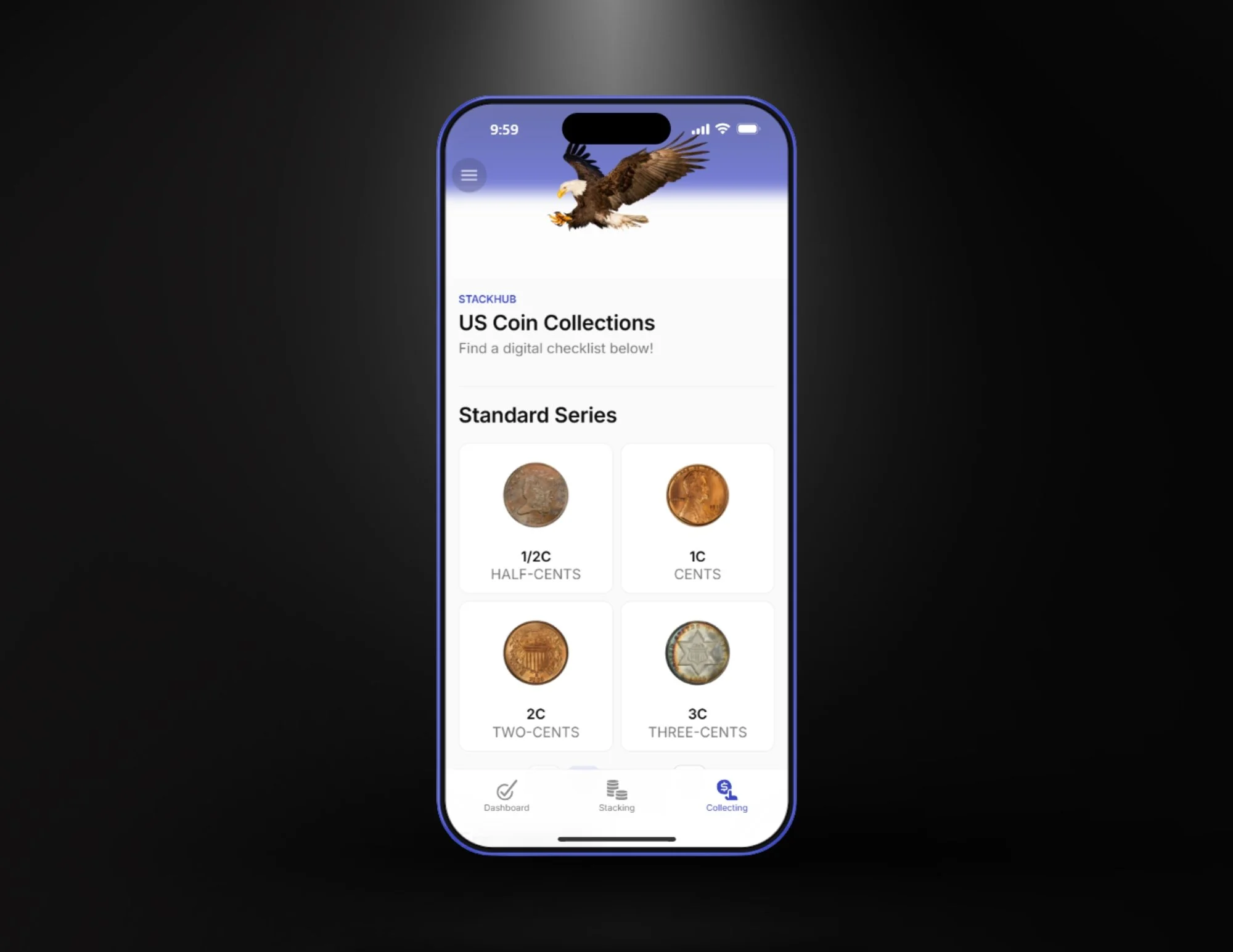
Included with your Membership:
Access to hundreds of digital U.S. coin checklists
Custom lists for specialty collections and type sets
Private, secure cloud storage for your collection data
New checklists and features added regularly
Track the coins you own by uploading images, grades, and values
Precious metals stack tracking: bullion, coins, bars, jewelry & more
Important insights about your stack & your collections
Whether you’re new to the hobby or a seasoned collector, StackHub keeps your entire collection organized and accessible — anytime, anywhere.
Start your membership today and experience smarter collecting.
StackHub is an excellent tool for coin collectors & precious metals enthusiasts of all levels. Your app subscription will come complete with:
100+ prebuilt collection checklists to choose from
Collect graded or ungraded coins, your choice
Upload images of your own set to take on the go
Precious Metals stack tracking
Every coin collecting guide at your fingertips
Compatible with mobile & desktop
Click HERE to learn more*During checkout, please use the email address that you’d like associated with your StackHub account. You will receive an invitation to that email address directly from the platform when your account is ready. Account creation may take up to 12 hours from the time of checkout*

Check Out Our Guide to Identifying U.S. Constitutional Silver Coins
Think you might have silver coins in your pocket change? Learn the quick ways to spot United States Coinage made of silver by date, edge color, weight, and more.
Click HERE for the full guide
What is a Type Set in Coin Collecting?
A type set is one of the most exciting and customizable ways to collect coins — instead of hunting every date and mint mark, you collect one example of each major design. It’s a perfect mix of variety, history, and flexibility. Whether you focus on U.S. coins, world coins, or just one denomination, type sets can fit any budget and skill level.
This site and all of its content was built by collectors for collectors. Join thousands who already trust CoinCollectingTools.com for reliable & accurate information, expert tips, and a connected community on social media. Follow us on YouTube & TikTok @CentsMakeDollars to make sure you never miss a new online resource designed to sharpen your knowledge and collecting strategies.