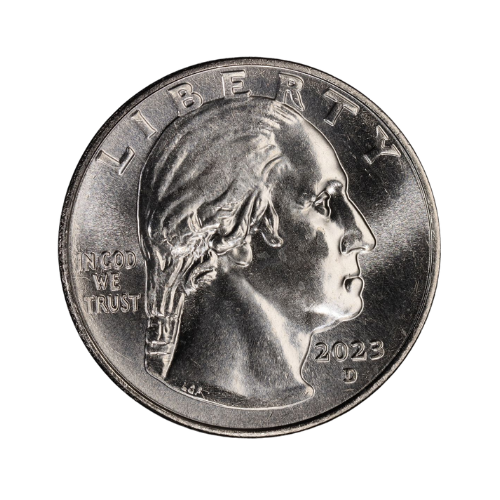
U.S. 25-Cent Quarters
(1796 - Current)
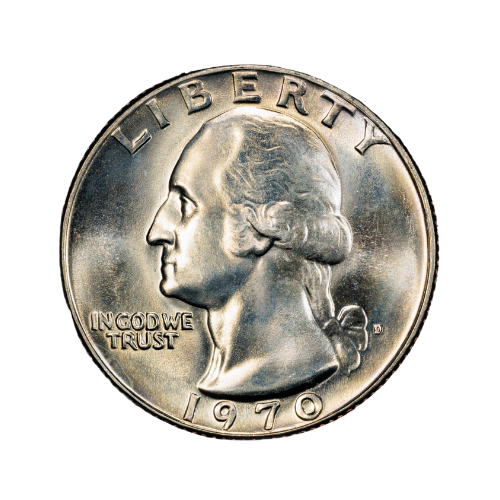
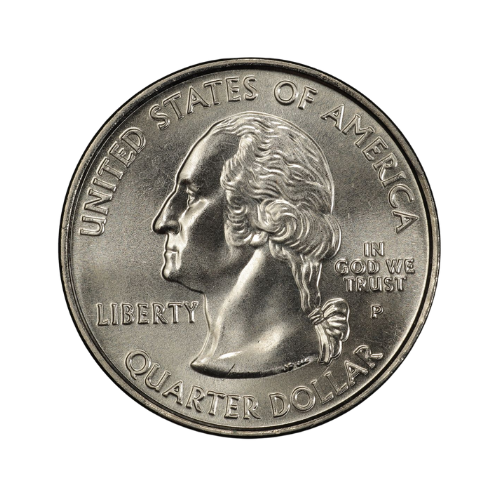
U.S. Twenty-Five-Cent coinage, commonly known as the quarter, was first issued in 1796 and has served as one of the most important circulating denominations in American commerce. Throughout its long history, the quarter has reflected major shifts in U.S. coin design, metallurgy, and public engagement, evolving from early silver issues to modern clad and commemorative programs. Today, the quarter dollar remains both a workhorse of everyday transactions and one of the most widely collected U.S. coins, appealing to beginners and advanced collectors alike.
Check out every series of U.S. 25-Cent Quarters below, complete with dates & mintages for each.
Draped Bust Quarter
(1796 - 1807)
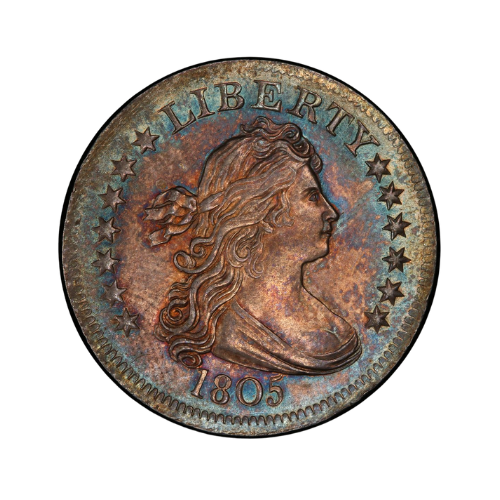
The Draped Bust Quarter was first issued in 1796, marking the beginning of quarter-dollar production in the United States. The obverse features Liberty with flowing hair and drapery at the neckline, while the reverse initially displayed a Small Eagle (1796) before transitioning to the Heraldic Eagle design in 1804–1807.
These early quarters were struck in the original federal silver standard of approximately 89.24% silver and 10.76% copper. Production was limited, and mintages were generally low, particularly for the inaugural 1796 issue, which is a one-year type and highly desirable among collectors.
Because of their age, modest mintages, and two distinct reverse designs, Draped Bust Quarters are considered foundational pieces in early U.S. silver coinage and remain prized in all grades today.
-
Type 1, Small Eagle
1796 | 6,146
Type 2, Heraldic Eagle
1804 | 6,738
1805 | 121,394
1806 | 206,124
1807 | 220,643
Capped Bust Quarter
(1815 - 1838)
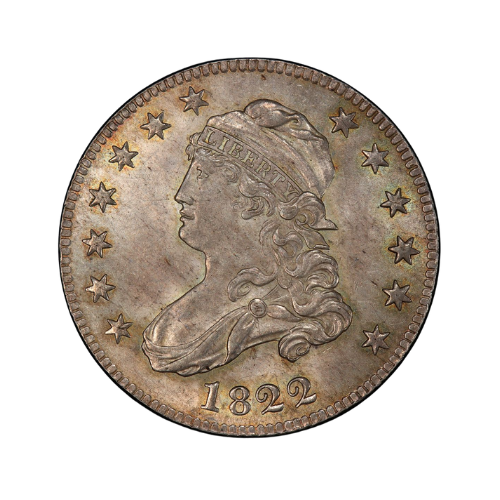
The Capped Bust Quarter was introduced in 1815 after an eight-year pause in quarter production following the Draped Bust series. Designed by John Reich and later modified by William Kneass, the obverse features Liberty wearing a soft cap, while the reverse displays a heraldic eagle with shield.
From 1815 through 1836, these quarters were struck in the early silver standard of approximately 89.24% silver and 10.76% copper and featured a lettered edge. In 1837 and 1838, the silver content was adjusted to 90% silver and 10% copper, and the edge was changed to reeded, creating a transitional subtype before the introduction of the Seated Liberty design.
Mintages varied, and numerous die varieties exist, particularly in the earlier issues. The Capped Bust Quarter represents an important bridge between early hand-prepared coinage and the more modernized silver issues that followed.
-
Type 1, Large Size
1815 | 89,235
1818 | 361,174
1819 | 144,000
1820 | 127,444
1821 | 216,851
1822 | 64,080
1823 | 17,800
1824 | 84,000
1825 | 84,000
1827 | 4,000
1828 | 102,000
Type 2, Small Size
1831 | 398,000
1832 | 320,000
1833 | 156,000
1834 | 286,000
1835 | 1,952,000
1836 | 472,000
1837 | 252,400
1838 | 366,000
Seated Liberty Quarter
(1838 - 1891)
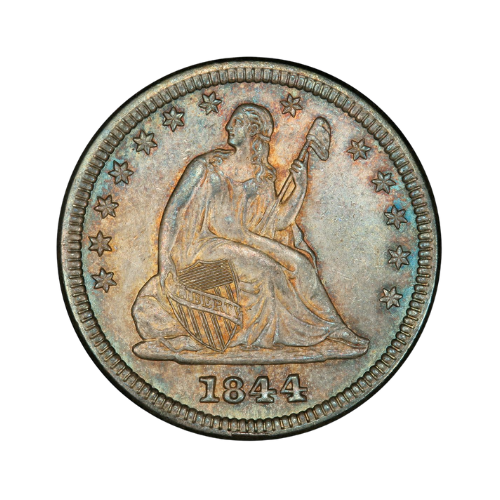
The Seated Liberty Quarter was introduced in 1838, replacing the Capped Bust design and beginning one of the longest-running quarter series of the 19th century. Designed by Christian Gobrecht, the obverse depicts Liberty seated on a rock holding a shield and pole, while the reverse features an eagle with shield and outstretched wings.
Beginning with this series, the composition was standardized at 90% silver and 10% copper, a format that remained consistent throughout its production. Over time, several design modifications created collectible subtypes, including the addition of drapery at Liberty’s elbow (1840), arrows at the date in 1853–1855 and again in 1873 to indicate weight changes, and the “With Motto” reverse introduced in 1866 adding “IN GOD WE TRUST.”
Minted at multiple facilities—including Carson City in the later years—Seated Liberty Quarters offer a wide range of dates, mintmarks, and varieties. Their long production span and numerous design changes make them a historically rich and challenging 19th-century silver series.
-
Type 1, No Drapery
1838 No Drapery | 466,000
1839 No Drapery | 491,146
1840 No Drapery | 188,127
1840-O No Drapery | 382,200
Type 2, No Motto
1840 Drapery | 188,127
1840-O Drapery | 43,000
1841 | 120,000
1841-O | 452,000
1842 | 88,000
1842-O | 769,000
1843 | 645,600
1843-O | 968,000
1844 | 421,200
1844-O | 740,000
1845 | 922,000
1846 | 510,000
1847 | 734,000
1847-O | 368,000
1848 | 146,000
1849 | 340,000
1850-O | 412,000
1850 | 190,800
1851 | 160,000
1851-O | 88,000
1852 | 177,060
1852-O | 96,000
1853 | 44,200
Type 3, Arrows & Rays
1853 Arrows and Rays | 15,210,020
1853-O Arrows and Rays | 1,332,000
Type 4, No Motto, Arrows at Date
1854 Arrows | 12,380,000
1854-O Arrows | 1,484,000
1855 Arrows | 2,857,000
1855-O Arrows | 176,000
1855-S Arrows | 396,400
Type 2, No Motto
1856 | 7,264,000
1856-O | 968,000
1856-S | 286,000
1857 | 9,644,000
1857-O | 1,180,000
1857-S | 82,000
1858 | 7,368,000
1858-O | 520,000
1858-S | 121,000
1859 | 1,343,200
1859-O | 260,000
1859-S | 80,000
1860 | 804,400
1860-O | 388,000
1860-S | 56,000
1861 | 4,853,600
1861-S | 96,000
1862 | 932,000
1862-S | 67,000
1863 | 191,600
1864 | 93,600
1864-S | 20,000
1865 | 58,800
1865-S | 41,000
Type 5, With Motto
1866 | 16,800
1866-S | 28,000
1867 | 20,000
1867-S | 48,000
1868 | 29,400
1868-S | 96,000
1869 | 16,000
1869-S | 76,000
1870 | 86,400
1870-CC | 8,340
1871 | 118,200
1871-S | 30,900
1871-CC | 10,890
1872 | 182,000
1872-S | 83,000
1872-CC | 22,850
1873 Close 3 | 40,000
1873 Open 3 | 172,000
1873-CC | 4,000
Type 6, With Motto, Arrows at Date
1873 Arrows | 1,271,160
1873-S Arrows | 156,000
1873-CC Arrows | 12,462
1874 Arrows | 471,200
1874-S Arrows | 392,000
Type 5, With Motto
1875 | 4,292,800
1875-S | 680,000
1875-CC | 140,000
1876 | 17,816,000
1876-S | 8,596,000
1876-CC | 4,944,000
1877 | 10,911,200
1877-S | 8,996,000
1877-CC | 4,192,000
1878 | 2,260,000
1878-S | 140,000
1878-CC | 996,000
1879 | 13,600
1880 | 13,600
1881 | 12,000
1882 | 15,200
1883 | 14,400
1884 | 8,000
1885 | 13,600
1886 | 5,000
1887 | 10,000
1888 | 10,001
1888-S | 1,216,000
1889 | 12,000
1890 | 80,000
1891 | 3,920,000
1891-O | 68,000
1891-S | 2,216,000
-
Type 2, No Motto
1858 Proof | 300
1859 Proof | 800
1860 Proof | 1,000
1861 Proof | 1,000
1862 Proof | 550
1863 Proof | 460
1864 Proof | 470
1865 Proof | 500
Type 5, With Motto
1866 Proof | 725
1867 Proof | 625
1868 Proof | 600
1869 Proof | 600
1870 Proof | 1,000
1871 Proof | 960
1872 Proof | 950
1873 No Arrows Proof | 600
Type 6, With Motto, Arrows at Date
1873 Arrows Proof | 500
1874 Arrows Proof | 700
Type 5, With Motto
1875 Proof | 700
1876 Proof | 1,150
1877 Proof | 510
1878 Proof | 800
1879 Proof | 1,100
1880 Proof | 1,355
1881 Proof | 975
1882 Proof | 1,100
1883 Proof | 1,039
1884 Proof | 875
1885 Proof | 930
1886 Proof | 886
1887 Proof | 710
1888 Proof | 832
1889 Proof | 711
1890 Proof | 590
1891 Proof | 600
Barber Quarter
(1892 - 1916)
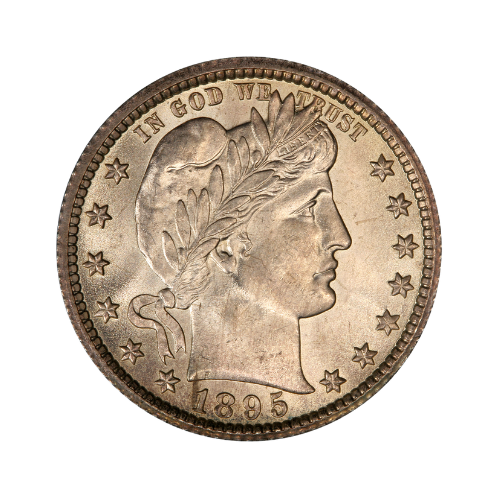
The Barber Quarter was introduced in 1892 as part of a comprehensive redesign of U.S. silver coinage. Designed by Charles E. Barber, the obverse features Liberty wearing a Phrygian cap and laurel wreath, while the reverse displays a heraldic eagle with shield.
These quarters were struck in the standard 90% silver and 10% copper composition throughout the entire series. Produced from 1892 through 1916, they were minted at Philadelphia, New Orleans, San Francisco, and Denver.
While many dates are obtainable in circulated grades, the series includes several better dates and scarce issues, particularly from the New Orleans and San Francisco mints. The Barber Quarter was replaced in 1916 by the Standing Liberty design, marking the transition into a more modern artistic era of U.S. coinage.
-
1892 | 8,236,000
1892-O | 2,640,000
1892-S | 964,079
1893 | 5,444,023
1893-O | 3,396,000
1893-S | 1,454,535
1894 | 3,432,000
1894-O | 2,852,000
1894-S | 2,648,821
1895 | 4,440,000
1895-O | 2,816,000
1895-S | 1,764,681
1896 | 3,874,000
1896-O | 1,484,000
1896-S | 188,039
1897 | 8,140,000
1897-O | 1,414,800
1897-S | 542,229
1898 | 11,100,000
1898-O | 1,868,000
1898-S | 1,020,592
1899 | 12,624,000
1899-O | 2,644,000
1899-S | 708,000
1900 | 10,016,000
1900-O | 3,416,000
1900-S | 1,858,585
1901 | 8,892,000
1901-O | 1,612,000
1901-S | 72,664
1902 | 12,196,967
1902-O | 4,748,000
1902-S | 1,524,612
1903 | 9,669,309
1903-O | 3,500,000
1903-S | 1,036,000
1904 | 9,588,143
1904-O | 2,456,000
1905 | 4,967,523
1905-O | 1,230,000
1905-S | 1,884,000
1906 | 3,655,760
1906-D | 3,280,000
1906-O | 2,056,000
1907 | 7,192,000
1907-D | 2,484,000
1907-O | 4,560,000
1907-S | 1,360,000
1908 | 4,232,000
1908-D | 5,788,000
1908-O | 6,244,000
1908-S | 784,000
1909 | 9,268,000
1909-D | 5,114,000
1909-O | 712,000
1909-S | 1,348,000
1910 | 2,244,000
1910-D | 1,500,000
1911 | 3,720,000
1911-D | 933,600
1911-S | 988,000
1912 | 4,400,000
1912-S | 708,000
1913 | 484,000
1913-D | 1,450,800
1913-S | 40,000
1914 | 6,244,230
1914-D | 3,046,000
1914-S | 264,000
1915 | 3,480,000
1915-D | 3,694,000
1915-S | 704,000
1916 | 1,788,000
-
1892 Proof | 1,245
1893 Proof | 792
1894 Proof | 972
1895 Proof | 880
1896 Proof | 762
1897 Proof | 731
1898 Proof | 735
1899 Proof | 846
1900 Proof | 912
1901 Proof | 813
1902 Proof | 777
1903 Proof | 755
1904 Proof | 670
1905 Proof | 727
1906 Proof | 675
1907 Proof | 575
1908 Proof | 545
1909 Proof | 650
1910 Proof | 551
1911 Proof | 543
1912 Proof | 700
1913 Proof | 613
1914 Proof | 380
1915 Proof | 450
Standing Liberty Quarter
(1916 - 1930)
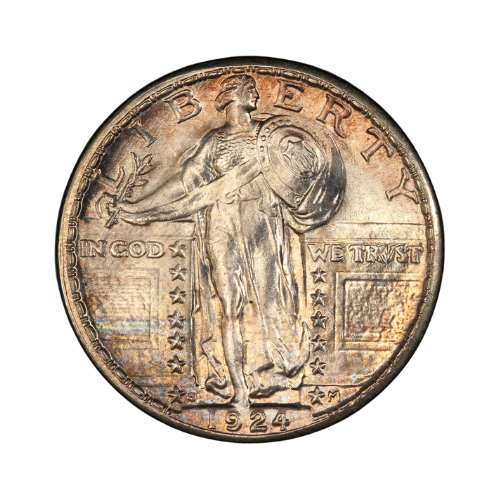
The Standing Liberty Quarter was introduced in 1916, ushering in a more artistic and symbolic design for U.S. coinage. Designed by Hermon A. MacNeil, the obverse depicts Liberty standing between two pillars, holding a shield and olive branch, while the reverse features a flying eagle.
The series was struck in the standard 90% silver and 10% copper composition. Two major design types exist. Type I (1916–early 1917) shows Liberty with an exposed breast, a detail that was quickly modified later in 1917 (Type II), where chain mail was added to Liberty’s torso. In 1925, the date was recessed into the design to address wear issues, creating another notable subtype.
The low-mintage 1916 issue is a key rarity of the series. Standing Liberty Quarters are widely collected for their bold design, short production span, and distinct type variations.
-
Type 1, No Stars Below Eagle
1916 | 52,000
1917 Type 1 | 8,740,000
1917-D Type 1 | 1,509,200
1917-S Type 1 | 1,952,000
Type 2a, Stars Below Eagle (Pedestal Date)
1917 Type 2 | 13,880,000
1917-D Type 2 | 6,224,400
1917-S Type 2 | 5,552,000
1918 | 14,240,000
1918-D | 7,380,800
1918-S | 11,072,000
1919 | 11,324,000
1919-D | 1,944,000
1919-S | 1,836,000
1920 | 27,860,000
1920-D | 3,586,400
1920-S | 6,380,000
1921 | 1,916,000
1923 | 9,716,000
1923-S | 1,360,000
1924 | 10,920,000
1924-D | 3,112,000
1924-S | 2,860,000
Type 2b, Stars Below Eagle (Recessed Date)
1925 | 12,280,000
1926 | 11,316,000
1926-D | 1,716,000
1926-S | 2,700,000
1927 | 11,912,000
1927-D | 976,000
1927-S | 396,000
1928 | 6,336,000
1928-D | 1,627,600
1928-S | 2,644,000
1929 | 11,140,000
1929-D | 1,358,000
1929-S | 1,764,000
1930 | 5,632,000
1930-S | 1,556,000
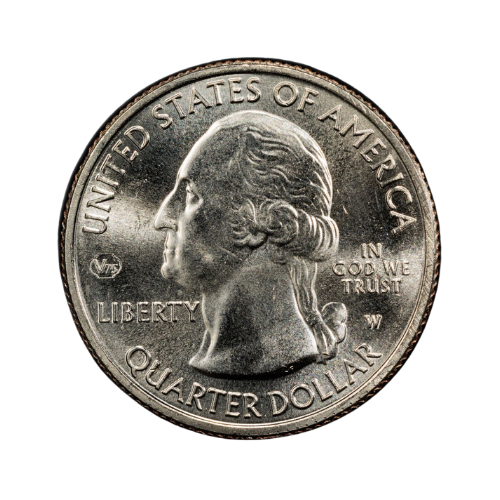
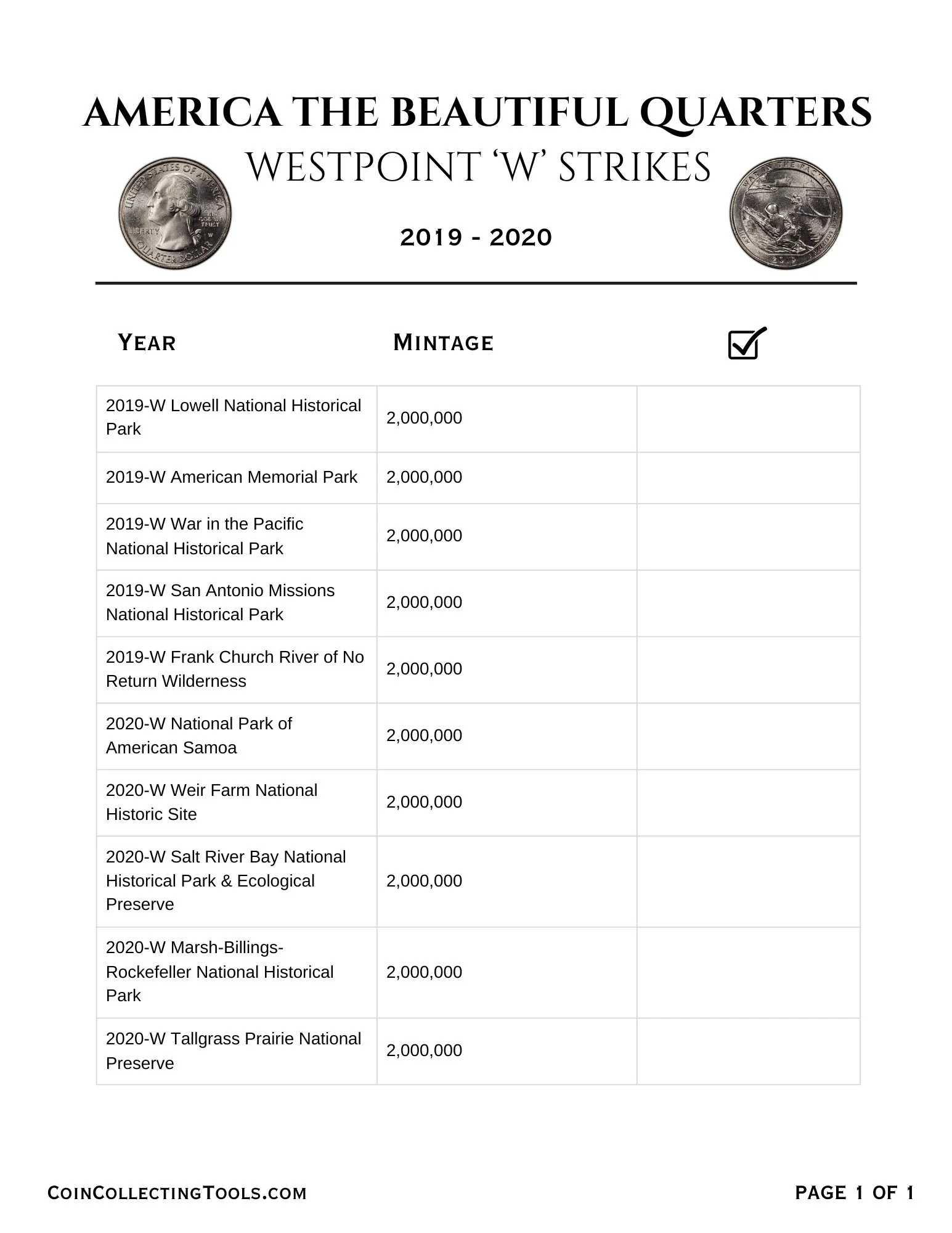
If You Collect U.S. 25-Cent Coins, Check Out The ‘Washington ATB Quarters, WestPoint Strikes’ Type Set!
‘Coin Collecting Tools’ is Going Mobile
StackHub is an excellent tool for coin collectors & precious metals enthusiasts of all levels. Your app subscription will come complete with:
100+ prebuilt collection checklists to choose from
Collect graded or ungraded coins, your choice
Upload images of your own set to take on the go
Precious Metals stack tracking
Every coin collecting guide at your fingertips
Compatible with mobile & desktop
Click HERE to learn more*During checkout, please use the email address that you’d like associated with your StackHub account. You will receive an invitation to that email address directly from the platform when your account is ready. Account creation may take up to 12 hours from the time of checkout*
Check Out Our Guide to Identifying U.S. Constitutional Silver Coins
Think you might have silver coins in your pocket change? Learn the quick ways to spot United States Coinage made of silver by date, edge color, weight, and more.
Click HERE for the full guideWhy Most State Quarters Aren’t Valuable
The U.S. Mint’s State Quarters program was one of the most popular coin series ever, but despite the hype, most of these coins aren’t worth more than face value. Coin shops regularly see full sets brought in, yet unless they’re silver proofs or graded at the highest levels, dealers simply aren’t buying. Learn why State Quarters are fun to collect but rarely valuable — and what exceptions to look out for.
This site and all of its content was built by collectors for collectors. Join thousands who already trust CoinCollectingTools.com for reliable & accurate information, expert tips, and a connected community on social media. Follow us on YouTube & TikTok @CentsMakeDollars to make sure you never miss a new online resource designed to sharpen your knowledge and collecting strategies.